


Small Hydraulic Pistons: How They Work & Their Applications


A small hydraulic piston may look simple, but it can generate significant force. Engineers use these compact components in lifts, tools, and precision equipment where space is limited but performance matters.
This guide explains how small hydraulic pistons work, outlines their applications, and highlights key factors for selection and maintenance.
What Is a Small Hydraulic Piston?
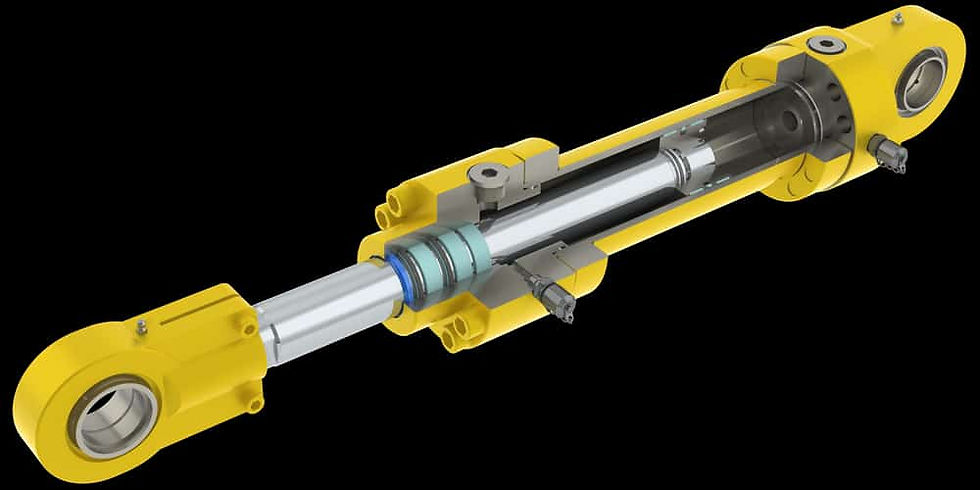
A small hydraulic piston is a component that moves within a cylinder to convert fluid pressure into linear motion.
The piston rod is the moving internal component, while the cylinder is the housing that contains it. Together, they form a complete actuator.
Size is a critical factor in system performance. Smaller pistons operate in tighter spaces and often require higher precision. Even at a small scale, they can produce significant force when paired with the right pressure.
Understanding how a small hydraulic piston functions is the first step in selecting the right component or diagnosing performance issues.
How a Small Hydraulic Piston Works
Small hydraulic pistons operate by transmitting pressure evenly through a confined fluid.
When an operator applies force to a small piston, it generates pressure in the hydraulic fluid. The system then uses that pressure to move another piston or perform work.
This is why even a compact piston can produce meaningful output. The system multiplies force through pressure, not size alone.
If you're working with compact hydraulic systems, understanding pressure and force relationships is critical for performance.
The Role of a Small Piston in a Hydraulic Lift
In a hydraulic lift, a small piston plays a critical role in force generation.
An operator applies force to the small piston. This creates pressure in the hydraulic fluid. The system transfers that pressure to a larger piston.
The larger piston moves with greater force, allowing the system to lift heavy loads. This is how a relatively small input can raise a vehicle or industrial equipment.
Lift performance depends on proper piston sizing and system pressure. Incorrect components can reduce lifting capacity or efficiency; we can help you identify what you need.
Key Components of Small Hydraulic Pistons
Small hydraulic pistons rely on several key components to function effectively.
Piston Head
The piston head is the main surface that receives fluid pressure. It transfers that pressure into motion. Precision machining is critical to ensure proper sealing and performance.
Seals
Seals maintain pressure and prevent fluid leakage. In small systems, seal integrity is especially important because even minor leaks can reduce efficiency.
Cylinder Bore
The cylinder bore is the internal surface where the piston moves. Smoothness and accuracy are essential to minimize wear and maintain performance.
Hydraulic Fluid
Hydraulic fluid transmits force and lubricates internal components. Clean fluid helps prevent wear and extends system life.
Wear in any of these components can affect system performance and reliability; get yours checked today.
Small Electric Hydraulic Pistons Explained
A small electric hydraulic piston combines hydraulic force with electric control.
Electric systems power pumps or actuators that generate hydraulic pressure. This allows for automated and precise control of movement.
Manufacturers use these systems in compact machinery, automated equipment, and applications where space and accuracy are critical.
Electric hydraulic systems require proper integration between components to maintain accuracy and control; get your system evaluated.
Small Hydraulic Piston Pumps (What You Need to Know)
A small hydraulic piston pump generates the pressure needed to move fluid through the system.
The pump and piston operate together to generate and apply hydraulic force. The pump creates pressure, and the piston converts that pressure into motion.
Compact systems rely on efficient pump design to maintain performance while minimizing size and energy use.
Pump performance directly affects pressure, efficiency, and system output. We can assist in identifying any flaws in your equipment.
Common Applications of Small Hydraulic Pistons
Small hydraulic pistons are used in a wide range of applications.
Garage lifts and automotive equipment
Hydraulic tools and presses
Industrial machinery
Medical and precision equipment
Their compact size allows them to operate in confined spaces while still delivering reliable force.
Common Problems with Small Hydraulic Pistons
Like any hydraulic component, small pistons can develop issues over time.
Seal wear: Leads to leaks and reduced pressure
Pressure loss: Limits system performance
Contaminants: Damages internal surfaces and seals
Reduced output: Affects lifting or movement capability
Identifying these issues early helps prevent more serious damage.
Identifying the source of performance issues early helps prevent further damage.
How to Maintain Small Hydraulic Pistons
Regular maintenance helps extend the life of hydraulic components.
Inspect seals and connections for leaks
Monitor fluid condition and replace as needed
Keep systems free of foreign material
Replace worn components before failure occurs
Consistent maintenance reduces downtime and improves reliability.
Choosing the Right Small Hydraulic Piston
Selecting the right piston depends on several factors.
Size and force requirements: Match piston size to load needs
Material selection: Ensure durability under operating conditions
Pressure ratings: Confirm fit with system pressure
Application requirements: Consider environment and usage
Choosing the correct component improves performance and reduces long-term costs.
Selecting the right piston ensures performance, reliability, and long-term efficiency.
Need Help with Hydraulic Pistons or Repairs?
PSI Hydraulics provides repair, diagnostics, and custom solutions for hydraulic systems.
Our team supports a wide range of applications, from compact systems to heavy-duty equipment. Our team evaluates and services each component to meet performance requirements.
Serving Houston and across Texas, PSI Hydraulics delivers reliable support and fast turnaround times. Request a quote today!

FAQ
What does a small hydraulic piston do?
It converts fluid pressure into linear motion to move or lift loads.
How does a small piston generate sufficient force to lift heavy loads?
It generates pressure in the hydraulic fluid. Then, the system transfers that pressure to a larger piston to multiply force.
What function does a small piston serve within a hydraulic lift system?
It generates the initial pressure that allows the system to lift heavy loads.
Are small hydraulic pistons used in electric systems?
Yes, manufacturers often integrate them with electric pumps to enable automated and precise control.
Still have questions?


Comments