


Hydraulic Cylinder Diagram: Parts, Components & How It Works


A hydraulic cylinder diagram can look complex at first. Multiple components and pressure zones work together in a sealed system. Understanding a diagram of a hydraulic cylinder helps with troubleshooting, maintenance, and repair decisions.
This guide explains how these systems work. It covers each part and shows how industries use them in construction equipment, oilfield systems, and forklifts.
What Is a Hydraulic Cylinder?
A hydraulic cylinder converts fluid pressure into linear force. Pressurized hydraulic fluid moves a piston inside a sealed barrel. This generates the force required to lift, push, or pull heavy loads.
A diagram shows how fluid flows and creates motion.
If you’re troubleshooting performance issues, a clear understanding of its components is the first step. PSI Hydraulics provides inspection and support for a wide range of cylinder applications.
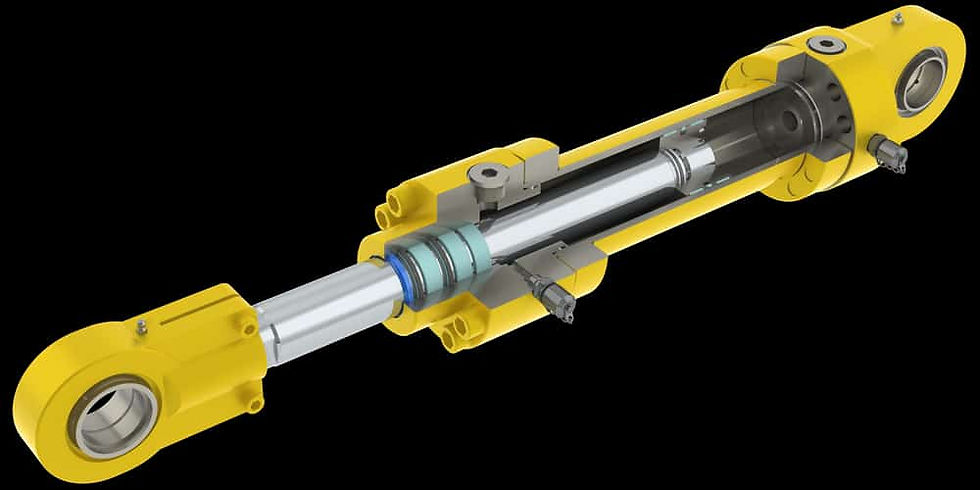
Hydraulic Cylinder Diagram (Visual Overview)
A hydraulic cylinder diagram shows how fluid enters through ports, pushes the piston, and creates movement.
When reading a diagram, follow the fluid flow and identify where the system applies and releases pressure. Use it as a reference as you review each component.
Need help interpreting a hydraulic cylinder diagram or identifying components in your system?
PSI Hydraulics can assist with inspection and component identification.
Hydraulic Cylinder Parts Diagram Explained
To understand the parts diagram, focus on the main components and their roles.
Cylinder Barrel
Houses internal components and holds pressure. Damage or scoring can reduce efficiency and cause seal failure.
Piston
Separates pressure zones and drives movement. Wear or seal issues reduce performance.
Piston Rod
Transfers force to the load. A bent rod can cause misalignment and seal damage.
End Caps (Head & Cap)
Seal the assembly and provide guidance for the piston rod. Inadequate sealing can result in fluid leakage and pressure loss.
Hydraulic Ports
Control fluid entry and exit. Blockages or contaminants affect performance.
If you’re seeing wear on any of these components, early evaluation can prevent larger failures.
PSI Hydraulics offers detailed inspections and rebuild services to restore performance.
Hydraulic Cylinder Seal Diagram (Key to Performance)
The seal diagram highlights the components that maintain pressure and prevent leaks.
Rod Seals
Prevent fluid from escaping where the rod exits.
Piston Seals
Separate and maintain distinct pressure zones within the cylinder. Failure leads to internal bypass.
Wiper Seals
Prevent contaminants such as dirt and debris from entering the system. Foreign material is a major cause of damage.
Seal condition directly impacts performance. Replacing seals is a key step in any rebuild.
Double Acting Hydraulic Cylinder Diagram Explained
A double acting cylinder diagram shows fluid acting on both sides of the piston. This allows movement in both directions.
Single-acting cylinder units rely on gravity or external force to return. Double-acting designs use pressure for both extension and retraction, improving control and consistency.
Forklift Hydraulic Cylinder Diagram (Real-World Example)
A forklift diagram connects theory to real use.
Forklifts use:
Lift cylinders to raise and lower forks
Tilt cylinders to control mast angle
Understanding how these systems work improves troubleshooting and maintenance decisions.
How to Rebuild a Hydraulic Cylinder (Diagram Walkthrough)
A rebuild diagram helps guide the process.
Disassembly: Remove end caps and extract components
Inspection: Check for wear, scoring, and damage
Seal Replacement: Install new seals
Reassembly: Reinstall parts with proper alignment
Rebuilds require precision. Severe damage or tight tolerances often require professional service.
Hydraulic cylinder rebuilds require precision, proper tooling, and experience.
For complex damage or tight tolerances, PSI Hydraulics provides professional rebuild services to ensure reliability and performance.
Common Hydraulic Cylinder Failures Explained Using a Diagram
A diagram helps identify where and why failures occur.
Seal Failure: Causes leaks and pressure loss
Bent Rod: Leads to misalignment and wear
Scored Barrel: Reduces sealing effectiveness
External Particles: Damages internal components
Each issue ties back to a specific part, making diagrams useful for diagnosis.
If you’re experiencing any of these issues, a detailed inspection can identify the root cause. PSI Hydraulics helps diagnose failures and recommend the most effective repair solution.
How to Read a Hydraulic Cylinder Diagram
Focus on a few key points:
Follow fluid flow
Identify pressure zones
Note port locations and movement direction
With practice, diagrams become a fast way to understand system behavior.
When to Repair vs Replace a Hydraulic Cylinder
The choice depends on damage, cost, and downtime.
Seal wear and minor leaks are usually repairable. Severe damage, like a bent rod or scored barrel, may require replacement.
Not sure whether to repair or replace your hydraulic cylinder?
PSI Hydraulics can evaluate your equipment and provide clear recommendations based on cost, condition, and performance requirements.
Hydraulic Cylinder Repair Services (PSI Hydraulics)
PSI Hydraulics provides inspection, rebuild, and repair services.
Our team handles everything from seal replacement to full restoration. Our team rebuilds each unit to meet performance standards.
Serving Houston and across Texas, PSI Hydraulics delivers reliable turnaround times and consistent results.

FAQ
What are the main parts of a hydraulic cylinder?
The primary components include the cylinder barrel, piston, piston rod, end caps, hydraulic ports, and sealing elements.
What does a hydraulic cylinder diagram show?
Fluid flow, pressure zones, and how components create motion.
What is a double acting hydraulic cylinder?
A cylinder that uses pressure to move in both directions.
How do hydraulic cylinder seals work?
They maintain pressure, prevent leaks, and block contaminants.
Still have questions about your hydraulic cylinder? PSI Hydraulics can help you evaluate your system and recommend the right solution.


Comments