


Hydraulic Ram Parts: Diagram, Components & How They Work


Hydraulic ram parts can refer to more than one type of system. In industrial settings, a “ram” often means a hydraulic cylinder used to create linear force. In other contexts, it refers to a hydraulic ram pump—a water-powered device that moves fluid without electricity.
This guide covers both. It explains the core components, how each system works, and how to identify wear, failures, and service needs. You’ll see how diagrams connect each part to overall performance. This applies to both heavy equipment and water systems.
What Is a Hydraulic Ram?
A hydraulic ram is a device that uses fluid pressure to perform work. The term is used in two common ways:
Industrial context: A hydraulic ram is a cylinder that converts fluid pressure into linear motion.
Water systems: A hydraulic ram pump uses flowing water to create pressure spikes. These spikes move some of the water to a higher elevation.
These systems share the concept of pressure-driven movement, but their designs and components differ significantly. Understanding the distinction helps you select the right parts, maintenance approach, and troubleshooting method.
Not sure which type of hydraulic ram you’re working with? Proper identification is critical before selecting parts or planning repairs; PSI can help with that.
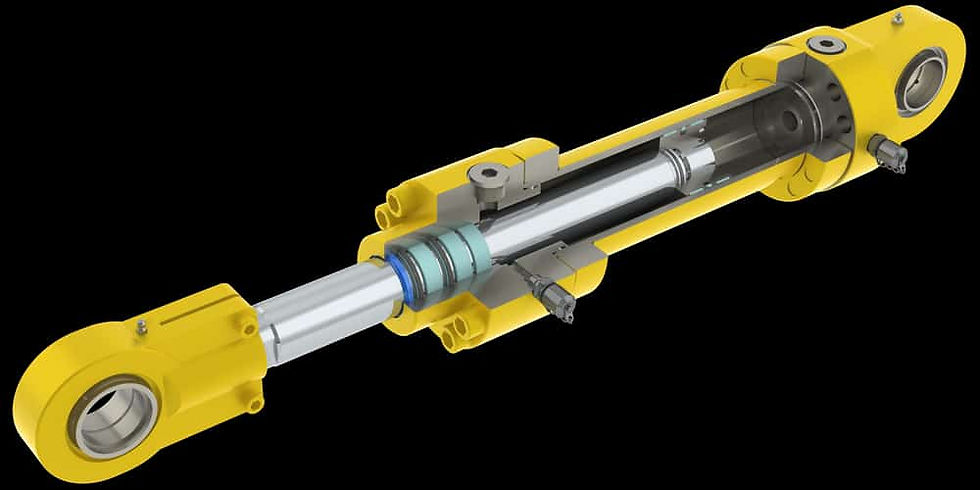
Hydraulic Ram Parts Diagram (Visual Overview)
A hydraulic ram parts diagram provides a high-level view of how a system operates. It shows how fluid enters, how pressure builds, and how components interact to produce motion or flow rate.
When reviewing a diagram, focus on three elements:
Flow path: Where fluid enters and exits
Pressure zones: Where force is generated or stored
Component roles: How each part contributes to the overall system
Using a diagram alongside the sections below helps connect individual components to real-world function.
If you need help identifying components or reviewing a system diagram, a detailed evaluation can save time and prevent misdiagnosis.
Main Hydraulic Ram Parts Explained
In cylinder-based systems, hydraulic ram parts work together to convert fluid pressure into controlled, repeatable motion.
Cylinder / Barrel
The cylinder barrel houses internal components and contains hydraulic pressure. It must withstand high loads without deformation. Surface damage, scoring, or corrosion can reduce sealing effectiveness and lead to premature wear.
Piston
The piston separates the internal pressure chamber into two zones. As fluid enters one side, it forces the piston to move. This motion is the basis for lifting, pushing, or pulling loads. Worn piston seals or surface damage can reduce efficiency and control.
Rod
The rod connects the piston to the external load. It transfers the generated force out of the cylinder. Straightness and surface condition are critical. A bent or scored rod can cause misalignment, accelerate seal wear, and reduce service life.
Seals
Seals maintain pressure, prevent fluid loss, and protect internal components from contaminants. Key seal types include rod seals, piston seals, and wipers. Seal condition has a direct impact on performance, efficiency, and reliability.
End Caps
End caps close the cylinder assembly and support internal pressure. The head end typically contains the rod seal and guide components, while the cap end closes the opposite side. Improper sealing or wear at these points often results in leaks.
Hydraulic Fluid
Hydraulic fluid transmits force throughout the system. It also provides lubrication and helps dissipate heat. Clean, properly specified fluid is essential. Degraded or contaminants in fluid can damage seals and internal surfaces.
Wear in these components can affect performance and reliability.
Early inspection helps prevent more costly failures.
Hydraulic Ram Pump Parts Explained
Hydraulic ram pump parts serve a different purpose. These systems use moving water to create pressure spikes. This pushes some of the water to a higher elevation without external power.
Drive Pipe
The drive pipe delivers water from the source to the pump body. Its length and diameter influence velocity and pressure. Proper sizing is critical for efficient operation.
Waste Valve
The waste valve opens and closes rapidly. This cycling creates pressure spikes, often called water hammer, which drive the pumping action. Consistent valve performance is essential for reliable output.
Delivery Valve
The delivery valve allows pressurized water to enter the delivery line while preventing backflow. It ensures that each pressure pulse moves water forward rather than allowing it to return.
Air Chamber
The air chamber stores energy from pressure spikes and smooths the flow. It reduces shock, stabilizes output, and improves overall efficiency. Loss of air charge can reduce system performance.
Delivery Pipe
The delivery pipe carries water from the pump to the final destination. It must be sized to handle pressure and flow requirements without excessive loss.
Hydraulic ram pump performance depends on proper valve operation and system balance.
Identifying issues early improves efficiency and output.
Hydraulic Ram Pump Parts List (Quick Reference)
Drive Pipe: Supplies water to the pump and establishes flow velocity
Waste Valve: Cycles to generate pressure pulses
Delivery Valve: Directs water into the delivery line and prevents backflow
Air Chamber: Stores pressure and smooths output
Delivery Pipe: Transports water to the discharge point
This quick reference supports fast identification and is useful for maintenance planning and part replacement.
If you’re sourcing or replacing parts, confirming the correct components is essential for system performance.
How Hydraulic Ram Parts Work Together
Understanding how hydraulic ram parts interact is key to diagnosing issues and improving performance.
Cylinder-Based Systems
Pressurized fluid enters the cylinder through a port
Fluid acts on the piston, creating force
The piston moves, transferring force to the rod
The rod applies that force to the external load
Fluid exits the opposite side as the cycle continues
Ram Pump Systems
Water flows through the drive pipe into the pump
The waste valve closes rapidly, creating a pressure spike
The spike forces water through the delivery valve
Water enters the air chamber and compresses trapped air
Compressed air pushes water into the delivery pipe
Both systems rely on controlled pressure and properly functioning components. Small issues in one part can affect the entire process.
Understanding how components interact makes it easier to diagnose issues and plan repairs.
Common Hydraulic Ram Part Failures
Failures typically originate from wear, misalignment, or fluid issues. Identifying the source quickly reduces downtime.
Worn Seals: Cause external leaks or internal bypass, reducing pressure and efficiency
Bent or Damaged Rod: Leads to misalignment, uneven wear, and seal damage
Scored Barrel: Reduces sealing effectiveness and accelerates component wear
Valve Failure (Pump Systems): Disrupts pressure cycles and reduces output
Contaminants in Fluid: Accelerate wear on seals and internal surfaces
Each failure can be traced to a specific component. Using a diagram during inspection helps pinpoint the issue.
If you’re seeing these issues, identifying the root cause early can prevent further damage.
How to Identify Worn or Failing Hydraulic Ram Parts
Early detection prevents larger failures and reduces repair costs.
Visual Indicators
Fluid leaks around seals or connections
Scoring or damage on rods and internal surfaces
Corrosion or buildup on external components
Performance Indicators
Reduced force or lifting capacity
Irregular or jerky movement
Slower cycle times
Inconsistent output in pump systems
Inspection Approach
Regular inspection schedules help catch issues early. In cylinder systems, check seals, rods, and fluid condition. In pump systems, monitor valve operation and flow consistency.
Repair vs Replace Hydraulic Ram Parts
The decision to repair or replace depends on severity, cost, and impact.
Repair (Rebuild): Suitable for seal wear, minor scoring, and standard maintenance
Replace: Recommended for heavily damaged rods, severe barrel scoring, or repeated failures
Downtime often drives the decision. A fast rebuild may restore operation quickly, while full replacement may provide longer-term reliability.
Balancing short-term cost with long-term performance is key to making the right call.
Choosing between repair and replacement depends on condition, cost, and downtime requirements.
Hydraulic Ram Repair & Parts Services
PSI Hydraulics provides repair, diagnostics, and custom parts for hydraulic systems.
Services include:
Detailed inspection and analyzing failures
Seal replacement and component repair
Precision machining and custom part fabrication
Full cylinder rebuilds and testing
Our team supports industrial and specialized applications with consistent turnaround times. Our team restores each component to meet performance requirements and operating conditions.
Serving Houston and across Texas, PSI Hydraulics delivers dependable support for critical equipment.
PSI Hydraulics provides expert diagnostics, repair, and custom component solutions for hydraulic systems.

FAQ
What are the primary components of a hydraulic ram?
Cylinder barrel, piston, rod, seals, end caps, and hydraulic fluid in cylinder systems. Pump systems include drive pipe, valves, air chamber, and delivery pipe.
What information does a hydraulic ram parts diagram provide?
It shows how fluid flows and where pressure builds. It also shows how the parts work together to create motion or move water.
What is the difference between a hydraulic ram and a hydraulic ram pump?
A hydraulic ram usually refers to a cylinder that produces force. A hydraulic ram pump uses water flow and pressure spikes to move water without electricity.
How do the components of a hydraulic ram pump operate?
They use valve cycling to create pressure spikes, which push water into a delivery system at a higher elevation.


Comments